The Medicare Prescription Payment Plan: How to Spread Your Part D Drug Costs Across the Year
Table of Contents
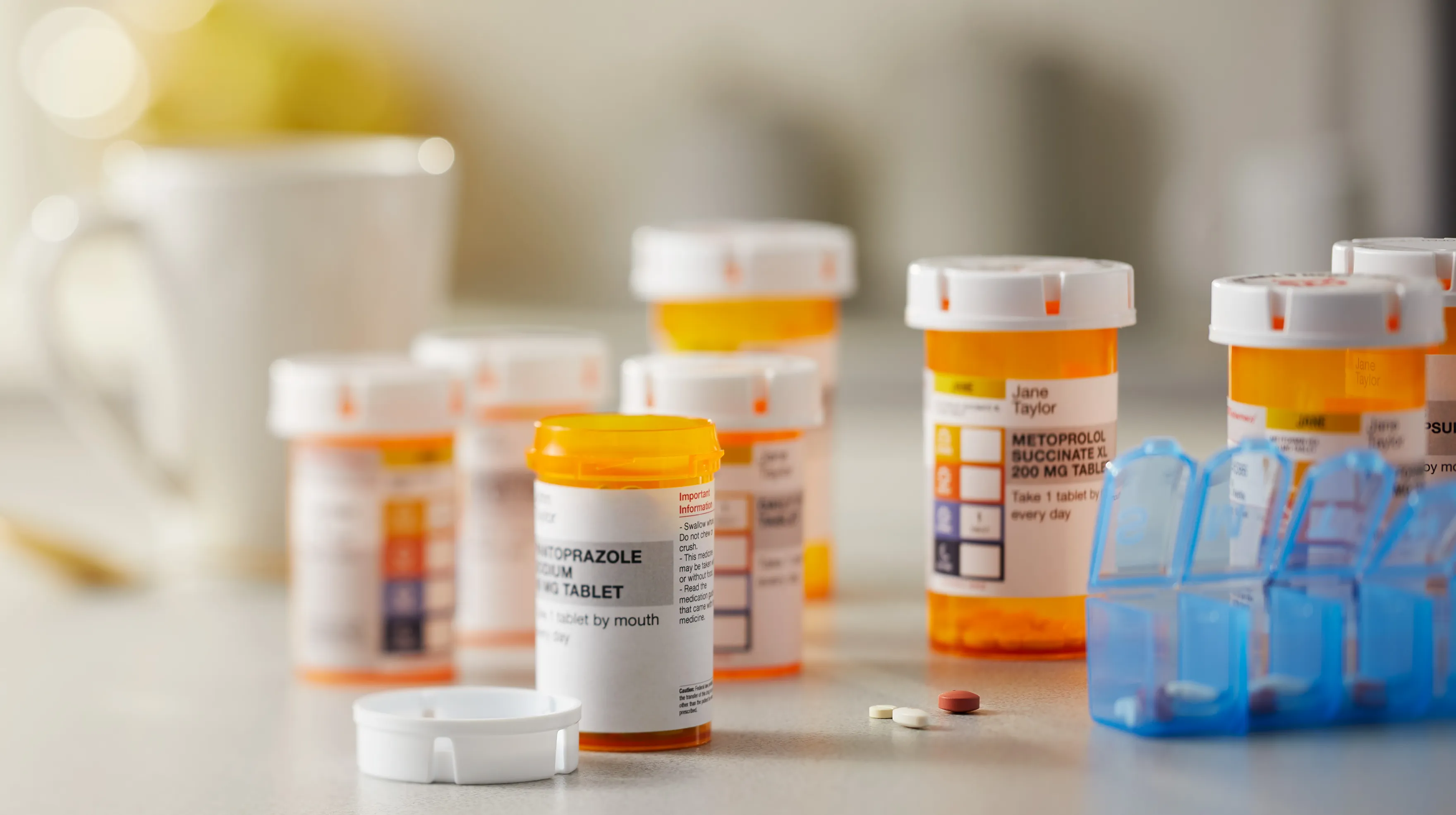
If you've ever walked into the pharmacy in January and gotten hit with a $1,500 bill for a single prescription, the Medicare Prescription Payment Plan is built for that exact moment. It's a free, opt-in program that started in 2025 and lets you spread your Part D out-of-pocket drug costs over the rest of the calendar year instead of paying everything upfront at the counter.
It doesn't lower what you owe. It just changes when you pay. For people on expensive medications, that timing shift can be the difference between filling a prescription and skipping it.
What the Prescription Payment Plan Actually Does
Under the standard Part D setup, you pay your share of a drug's cost directly to the pharmacy every time you pick up a prescription. The Medicare Prescription Payment Plan changes that flow. You pay $0 at the pharmacy. Your Part D plan pays the pharmacy on your behalf, then bills you each month for what you owe, split across the remaining months of the year.
"Instead of paying for prescriptions in full at the pharmacy, a beneficiary may choose to receive a monthly bill from their drug plan," says Marc Gilman, a licensed Medicare agent in New Hampshire. "This allows individuals to spread their total prescription costs evenly across the year, making budgeting easier. There are no hidden costs associated with spreading out payments."
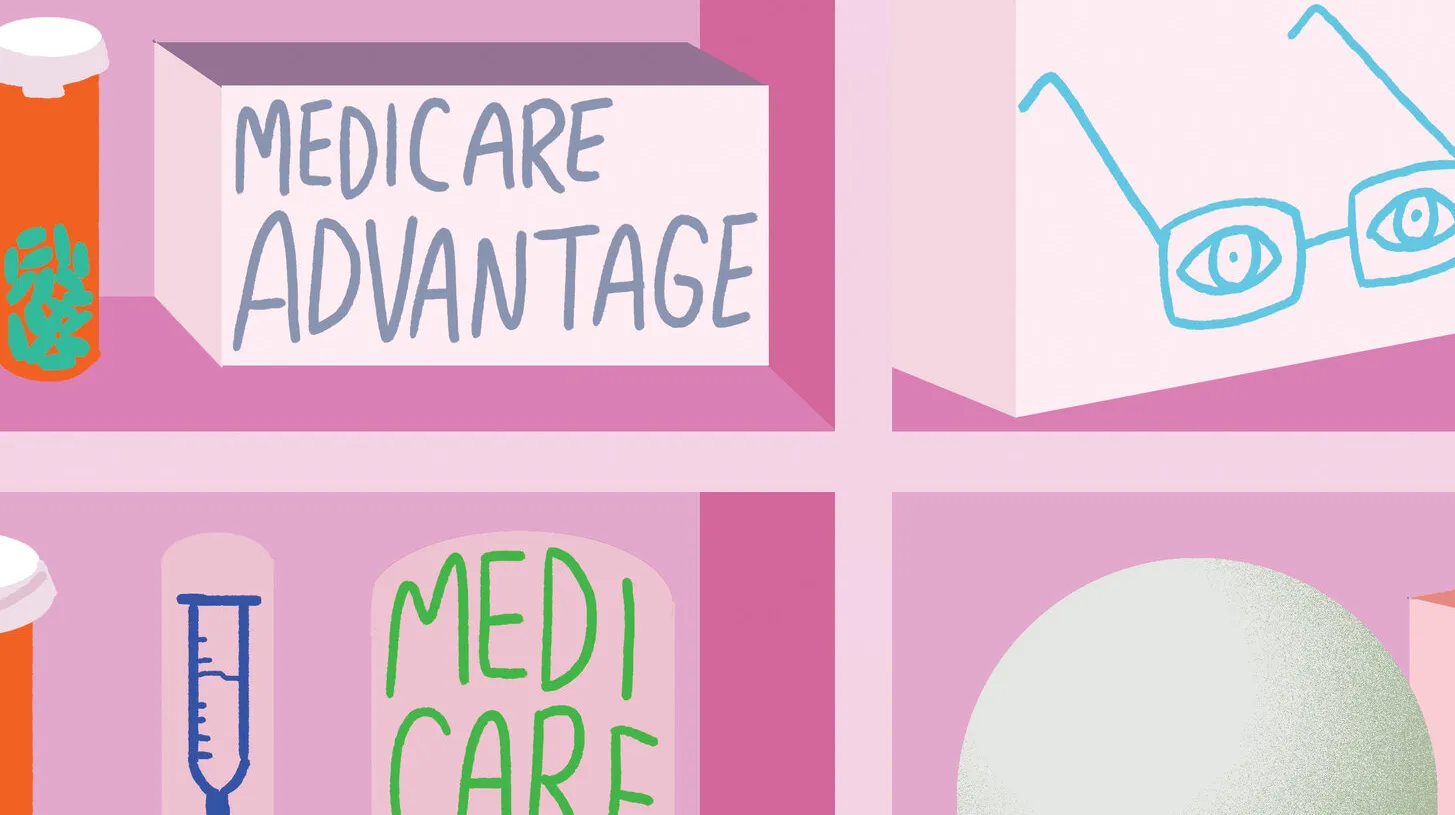
The total amount doesn't change. If your share of a drug is $600, you still owe $600, you just pay it in chunks instead of all at once. The program also works alongside the $2,000 Part D out-of-pocket cap that took effect in 2025, so your annual exposure is still limited. One thing to keep straight: the payment plan only applies to drug coverage through a stand-alone Part D plan or a Medicare Advantage plan that includes drug benefits (MAPD). It doesn't apply to Original Medicare alone or to Medigap, since neither covers prescription drugs in the first place.
Who Benefits Most From Opting In
This program is built for a specific type of Part D enrollee: people with one or more high-cost medications who would otherwise face a large bill early in the plan year. If you take a brand-name specialty drug, a tier 4 or tier 5 medication, or anything that puts you near the annual cap quickly, the payment plan smooths out cash flow.
You're a strong candidate if any of these apply:
- You have one or more drugs with copays over $100 per fill
- You're prescribed specialty drugs for conditions like cancer, autoimmune disease, MS, or hepatitis C
- You hit your deductible in January or February most years
- You've delayed filling a prescription because of cost in the past
According to Jose Felix Arevalo, a licensed Medicare agent in Texas, spreading costs over the year with monthly payments makes "everything more predictable and affordable" for people on expensive specialty medications. Predictability is really the point, most retirees on a fixed income can absorb a $150 monthly drug bill but get knocked sideways by a single $1,500 charge.
If you only take low-cost generics and rarely spend more than $20 a month on drugs, the payment plan won't help you. The math only works in your favor when there's a real lumpy expense to spread.
How Monthly Billing Is Calculated
Your monthly payment isn't a flat number. It changes each month based on what you've spent so far and how many months are left in the year. The formula is straightforward: take what you owe so far, subtract anything you've already paid, and divide by the months remaining.
An example helps. Say you pick up a $1,200 prescription in February. Your January bill was $0. With 11 months left in the year (February through December), your first monthly bill would be roughly $109. If you fill another expensive prescription in May, that new cost gets added to the running balance and divided across the remaining months. The longer you wait into the year to opt in, the higher your monthly payments become because you have fewer months to spread the cost.
Here's how that plays out month by month:
| Month | New Costs | Balance Owed | Months Remaining | Monthly Bill |
|---|---|---|---|---|
| Jan | $0 | $0 | 12 | $0 |
| Feb | $1,200 | $1,200 | 11 | $109.09 |
| Mar | $0 | $1,090.91 | 10 | $109.09 |
| Apr | $0 | $981.82 | 9 | $109.09 |
| May | $600 | $1,472.73 | 8 | $184.09 |
"You can apply for the Medicare Prescription Payment Plan and pay nothing at point of sale, and be billed monthly for your prescriptions," says Amanda Cantrell, a licensed Medicare agent in North Carolina. The point-of-sale piece is what trips people up the first time, you hand the pharmacist your card, they ring up your prescription, and you walk out without paying. The bill shows up from your Part D carrier later, not at the counter.
What Happens If You Don't Pay the Monthly Bill
This is the catch most people miss. The Prescription Payment Plan is a billing arrangement, not forgiveness. If you don't pay your monthly invoice from your Part D plan, you'll be removed from the payment plan. You won't be removed from your Part D coverage itself, but you'll go back to paying the full cost-share at the pharmacy on future fills.
Any balance you've already accumulated still has to be paid. Your plan can pursue it the same way any other debt is pursued. So if cash flow is genuinely the problem and not just timing, this program can make things worse, not better. It's a tool for people who can pay, they just need the payments spread out.
How to Enroll
You opt in directly through your Part D plan. There are three ways most plans accept enrollment:
- Online through your plan's member portal
- By phone at the member services number on your plan card
- By paper form mailed to the plan's address
Plans are required to process your election within 24 hours if you ask at the pharmacy counter and within 10 days for standard requests. You can also opt in or out at any point during the year, you're not locked into a once-a-year decision like you are with Part D enrollment periods.
If you're already past the start of the year, you can still join. Your remaining out-of-pocket exposure for the rest of the year gets spread across the months you have left.
One eligibility wrinkle to know about: if you previously used the payment plan and left an unpaid balance behind, you can be temporarily blocked from re-enrolling until that prior balance is settled. The program is open to essentially every Part D enrollee, but a delinquent past balance is one of the few things that can keep you out until it's cleared.
Prescription Payment Plan vs. Extra Help
Don't confuse this program with the Low Income Subsidy (also called Extra Help). Extra Help actually lowers what you pay for Part D premiums, deductibles, and copays. The Prescription Payment Plan doesn't lower anything, it just reschedules when the bill comes due.
"You may also sign up for the Medicare Prescription Payment Plan," says Alexandra Rodriguez, a licensed Medicare agent in Florida. "This helps to spread the costs of your regular medications over the year." She notes the payment plan often comes up as a follow-on for clients already hitting catastrophic coverage, once you've crossed the out-of-pocket cap, the payment plan smooths how those big upfront fills got paid in the first place.
If your income is at or below 150% of the federal poverty level, Extra Help is almost always a better fit and should be checked first. You can be enrolled in both at the same time, but most Extra Help recipients already have copays low enough that the payment plan doesn't move the needle.
What to Watch Out For
A few things trip people up in the first year of any Part D arrangement, and the payment plan adds a wrinkle:
- The balance resets every January. You don't carry monthly payments across plan years. Whatever balance you had at year-end becomes due in your final December bill.
- Switching plans mid-year is harder. If you change Part D plans, any unpaid balance from your old plan still has to be settled. The new plan can offer the payment plan too, but it starts fresh.
- Pharmacies don't manage the program. Don't expect the counter staff to know your status. The billing all flows through your Part D plan, not the pharmacy.
If you're already weighing whether to compare and choose a different Part D plan this year, factor the payment plan into your decision. Every Part D plan, including any Medicare Part D plan you're considering, is required to offer it.
Is It Worth Signing Up?
For most Medicare beneficiaries on low-cost generics, no. The administrative overhead, tracking monthly bills, watching for invoices, managing year-end balances, isn't worth it for a $30 prescription.
For anyone with a high-cost specialty drug, the answer is almost always yes. "I lowered my own drug cost by $1,500 doing this," says Lt Col Tim Brown, a licensed Medicare agent in Tennessee, "as a couple of my own drugs are name-brand and expensive." When a Medicare agent uses the program on his own prescriptions, that's a pretty clear signal it earns its keep for people in the right situation.
Hitting a $2,000 cap in one or two pharmacy visits is brutal on a fixed retirement income. Splitting that cost across 8 to 11 months turns a financial shock into a predictable budget line. The Part D coverage gap no longer exists in its old form, but high upfront costs at the start of the plan year haven't gone away, and this program is the tool Medicare built to address them.