The Medicare Give Back Benefit: How Part B Premium Reductions Actually Work
Table of Contents
If you've watched daytime TV in the last few years, you've probably heard a pitch about "putting money back in your Social Security check." People search for it by a dozen names — the giveback, the Medicare money back program, a Part B rebate, cash back on Medicare, the Part B premium reduction. It's all the same thing: the Medicare Give Back Benefit, and it's real. It's also more limited, more location-dependent, and more nuanced than the commercials make it sound. Here's exactly how it works, who can get it, which zip codes actually have it, and what to weigh before you switch plans to chase it.
What the Give Back Benefit Actually Is
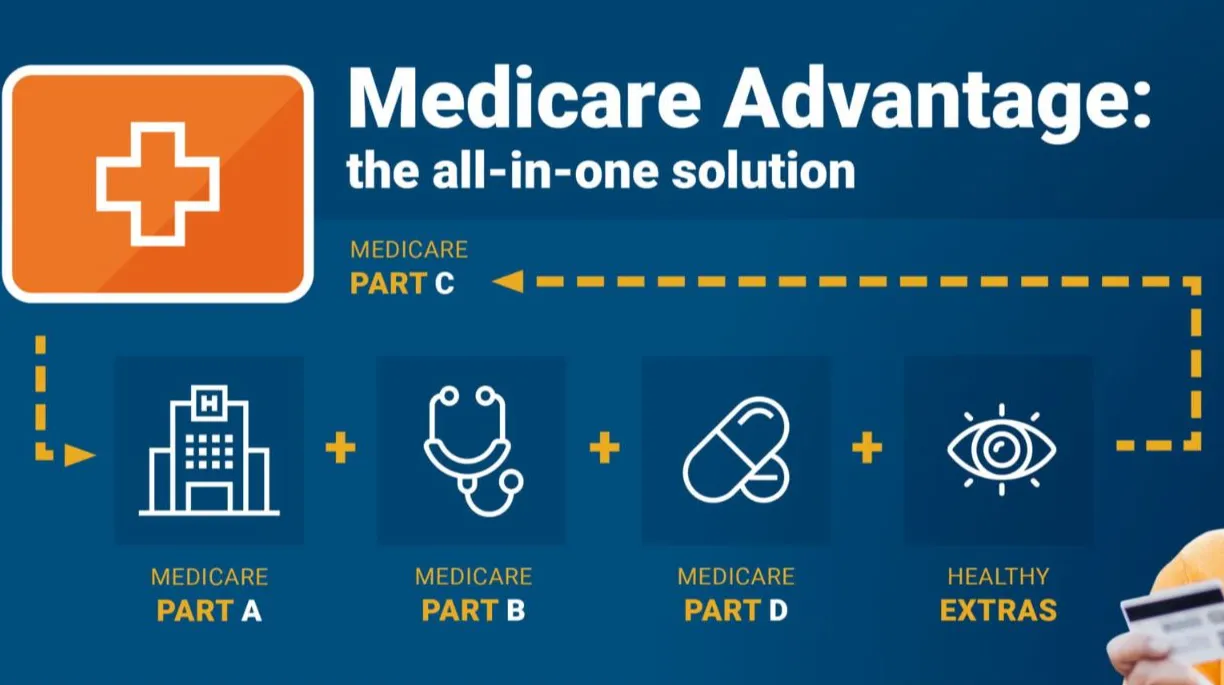
The Give Back Benefit is a feature offered by certain Medicare Advantage plans. When a plan includes it, the insurance carrier agrees to pay a set portion of your monthly Medicare Part B premium on your behalf. Medicare calls it a Part B premium reduction. Everyone else calls it a giveback.
For 2026, the standard Part B premium is $202.90 per month. A Medicare Advantage plan with a $75 giveback would effectively cut that down to $127.90 per month for you. The carrier is not sending you a rebate check — the reduction flows through Social Security or Medicare's billing system.
"The Medicare Give Back Benefit is offered by some Medicare Advantage plans that return part of your Part B premium to you. Instead of lowering the premium directly, the plan pays a set amount (for example, $50 to $150 a month) back through the Social Security Administration," says Ann Sanfelippo, a licensed Medicare agent in Fort Myers, Florida. "If you receive Social Security, this shows up as a higher monthly benefit check. If not, you'll typically see a reduced Part B bill."
How the Money Actually Reaches You
The mechanics depend on how you currently pay your Part B premium:
- If Social Security deducts your premium, you'll see a larger Social Security deposit. The Part B deduction line drops by the giveback amount.
- If you're billed directly by Medicare (usually because you haven't started Social Security yet), the quarterly bill you receive from Medicare Premium Collection Center will show a lower Part B charge.
It's not instant. Once you enroll in a plan with a giveback, it can take a couple of months for CMS to process the change with Social Security. During that lag, you may see a lump-sum catch-up credit on a later check.
Who Qualifies
To use the Give Back Benefit, you need three things:
- You must be enrolled in Medicare Part A and Part B. The giveback reduces your Part B premium, so you have to be paying one in the first place.
- You must enroll in a Medicare Advantage plan that offers the benefit. Not every plan does, and the ones that do are concentrated in specific counties. If a giveback plan isn't offered in your zip code, you can't get it.
- You have to use a valid enrollment period — your Initial Enrollment Period, the Annual Enrollment Period (October 15 to December 7), the Medicare Advantage Open Enrollment Period (January 1 to March 31), or a Special Enrollment Period if you qualify for one.
There's no income test, no separate application, and no paperwork you file with Social Security. The plan handles it once you enroll.
Why Availability Varies So Much by Location
This is the part the TV ads leave out. The Give Back Benefit exists because Medicare Advantage carriers get paid by the federal government based on a benchmark that varies county by county. In counties where the benchmark payment is higher, carriers have more room to offer extras — richer dental, lower copays, or a Part B giveback. In lower-benchmark counties, the same carrier often offers the same plan with no giveback attached.
That's why one person can sign up for a $125-a-month giveback across town while a neighbor in the next county over sees only a $0 giveback option. It's not a scam and it's not favoritism — it's the reimbursement math baked into Medicare Advantage.
Practically, this means the only way to know what's available where you live is to run a plan search using your actual zip code, either on Medicare.gov or with a local agent who has access to the full carrier lineup in your area.
Why the Give Back Benefit Comes Down to Your Zip Code
The single most common search around this benefit is some version of "what zip codes have the Medicare give back program." There's no master list published by CMS, and there's a reason for that: the answer changes every year as carriers file new plans for each county. A zip code that had three giveback plans in 2024 might have one in 2026, or none.
Here's what actually determines whether your zip code has a giveback:
- Your county's benchmark rate. Medicare pays plans more in some counties than others. Higher-benchmark counties (often urban and suburban areas) tend to see the biggest givebacks.
- Which carriers file plans in your county. Not every carrier serves every zip code. A national brand may have a giveback plan two counties over and nothing in yours.
- The plan year. Carriers reset their giveback offerings every fall for the following year. Last year's map is not this year's map.
The only reliable way to check your zip code is to run a live plan search on Medicare.gov or ask a local agent to pull the current-year lineup. Anyone who tells you what's in your zip code without checking is guessing.
How Big Are the Givebacks?
Giveback amounts vary widely. The smallest are around $10 to $25 a month — often a way for a plan to advertise the feature without giving up much revenue. The largest can approach the full Part B premium, effectively eliminating it. Most falls somewhere in the $40 to $125 range.
Here's a rule of thumb: bigger givebacks tend to come with tighter networks, higher maximum out-of-pocket limits, and fewer extra benefits like transportation or over-the-counter allowances. Plans have to make the money up somewhere.
"The MOOP amounts folks pay are higher with givebacks, so you can end up spending more than you would without a giveback," says Jennifer Kalbach, a licensed Medicare agent in Russell Springs, Kentucky. It's a reminder that the sticker savings on the front end don't always beat the total cost across a full year of care.
The Trade-Offs Worth Weighing
A giveback is real money in your pocket, but it's not free. Here's what to compare when you're deciding whether a giveback plan makes sense:
- Provider network. Does the plan include your current doctors and preferred hospital? A giveback is worthless if you can't see the providers you trust.
- Prescription drug coverage. Check the plan's formulary against your actual medications. A $75 monthly giveback disappears fast if the plan puts your maintenance drug on a higher tier.
- Maximum out-of-pocket limit. Giveback plans often have higher MOOPs. If you end up with a serious health event, the difference can dwarf the annual giveback total.
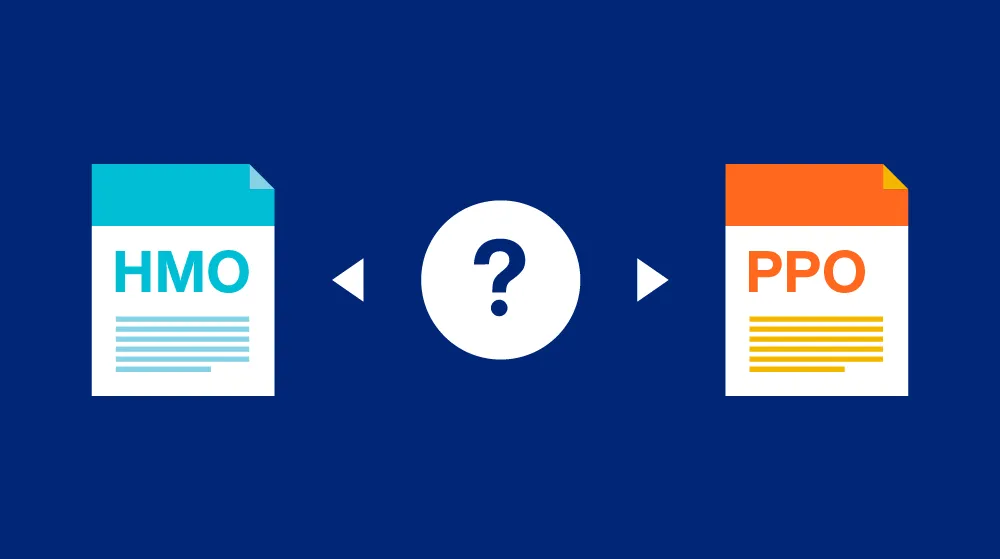
- HMO vs. PPO structure. Many giveback plans are HMOs with strict referral rules. If you value flexibility, factor that in.
- Extras. Compare dental, vision, hearing, fitness, and OTC allowances. Sometimes a plan with no giveback delivers more total value once you add up the ancillary benefits.
The Difference Between a Giveback and Medicare Savings Programs
People often confuse the Give Back Benefit with the state-run Medicare Savings Programs that pay Part B premiums for lower-income beneficiaries. They aren't the same. The Give Back Benefit comes from an Advantage plan's contract with CMS and has no income requirements. Medicare Savings Programs are means-tested state programs administered through Medicaid.
You can potentially benefit from both. If you qualify for a Medicare Savings Program that already pays your Part B premium in full, a giveback on top wouldn't add anything — you're already at zero. But if a Savings Program only covers part of your premium, a giveback plan could stack on additional relief depending on your situation.
How to Find a Giveback Plan in Your Area
There are two straightforward ways to check:
- Medicare Plan Finder. Go to Medicare.gov, enter your zip code, and filter results. Plans offering a giveback will show a line item labeled "Part B premium reduction" in the plan details.
- Talk to a licensed agent in your area. Local agents know which carriers renewed their giveback plans this year, which counties they serve, and how the network stacks up against your current doctors. If you're looking for someone to walk you through the options, you can find a licensed Medicare agent through Medicare Agents Hub.
Watch for These Sales Pitches
The Give Back Benefit is one of the most heavily marketed features in Medicare Advantage, and not all of the marketing is honest. Be skeptical if you hear any of the following:
- "Everyone qualifies." Availability depends on your county and enrollment period. Nobody knows if you qualify until they check your zip code and enrollment status.
- "You'll get $185 back every month" or "$2,000 back a year for seniors." These figures come from the single highest giveback plan in a single county — not the going rate. The typical giveback is much smaller, and any ad quoting a specific dollar amount before checking your zip code is selling you a headline, not a real plan.
- "This is a new government program." The Part B premium reduction has existed since the early 2000s. It's not a new law and it's not a limited-time offer.
- "You lose it if you don't enroll now." Outside your enrollment period, you can't switch anyway. Pressure to enroll immediately is a red flag.
Is the Give Back Benefit Worth Switching Plans For?
If you're already on a Medicare Advantage plan that works for you — right doctors, right drugs, reasonable out-of-pocket costs — a giveback is a nice bonus but rarely a reason to jump ship. Losing a strong provider network to gain $50 a month is a bad trade.
On the other hand, if you're comparing new plans during Annual Enrollment or you're new to Medicare Advantage, a giveback can meaningfully tilt the total-cost math. Just do the full comparison: premium savings, drug costs, doctor access, MOOP exposure, and extras. The best plan on paper isn't always the one with the biggest number attached to the giveback.
If you're weighing whether Advantage is even the right structure for you in the first place, our guide on switching from Medicare Advantage to Medigap (and vice versa) walks through the bigger structural decision.
Quick FAQ on Givebacks
- Can I get a Give Back Benefit if I have Medigap? No. Medigap works alongside Original Medicare, and the giveback only exists through Medicare Advantage plans. You would have to drop Medigap and switch to an MA plan that includes the benefit — a much bigger decision than the monthly credit alone.
- Does the giveback reduce my Part A premium too? No. It only applies to your Part B premium. Most people don't pay a Part A premium anyway because they qualify through work history.
- Do I have to reapply every year? No. As long as you stay in a plan that offers the benefit, it continues automatically. If the plan drops the giveback at renewal, the reduction ends with it.
Bottom Line
The Medicare Give Back Benefit is a legitimate way to reduce your Part B premium if you're willing to enroll in a specific Medicare Advantage plan that offers it in your county. It's not a scam, but it's also not the golden ticket the ads suggest. Treat it like any other plan feature: real value when the rest of the plan fits your health needs, and a distraction when it doesn't.