Medicare PPOs Explained
Table of Contents
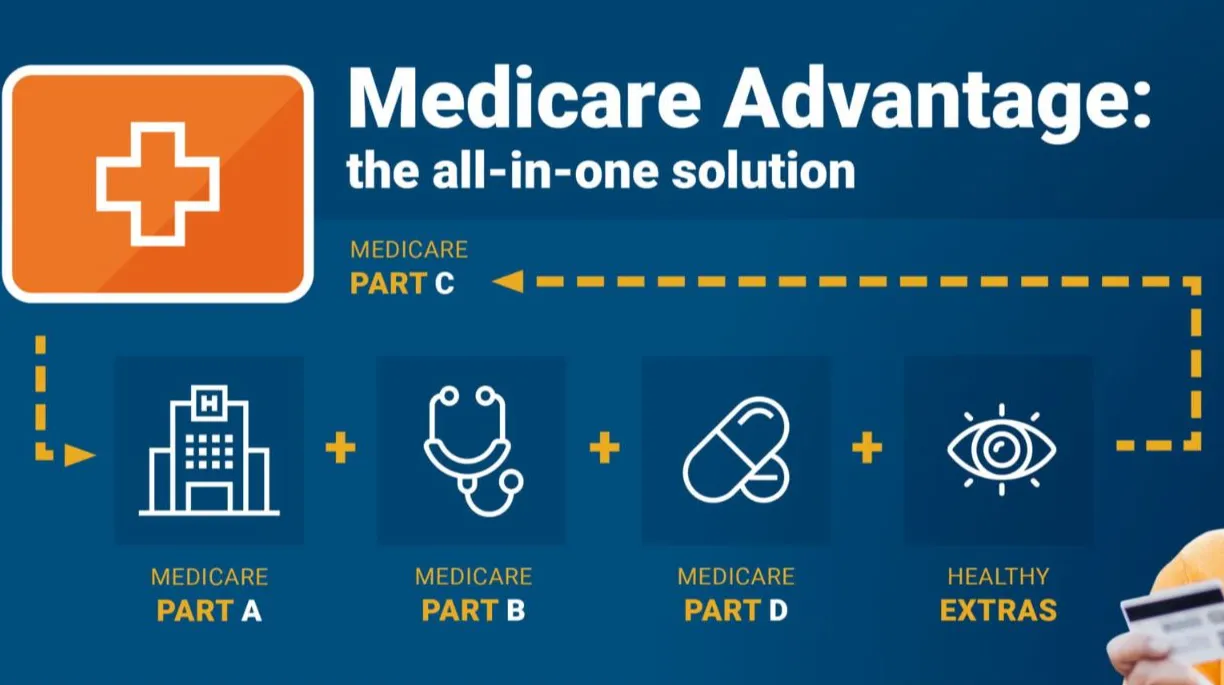
Seniors enrolled in Medicare have the option of enrolling in a Medicare Advantage PPO plan (a type of Medicare Part C plan), which offers greater flexibility in choosing healthcare providers. Unlike Original Medicare, these plans, sold by private insurance companies, allow enrollees to see physicians outside of the plan's network at a higher out-of-pocket cost, but the plan still covers part of the bill. While this option provides more freedom, it may also come with a higher price tag compared to other Medicare options.
Medicare Advantage PPO Plans
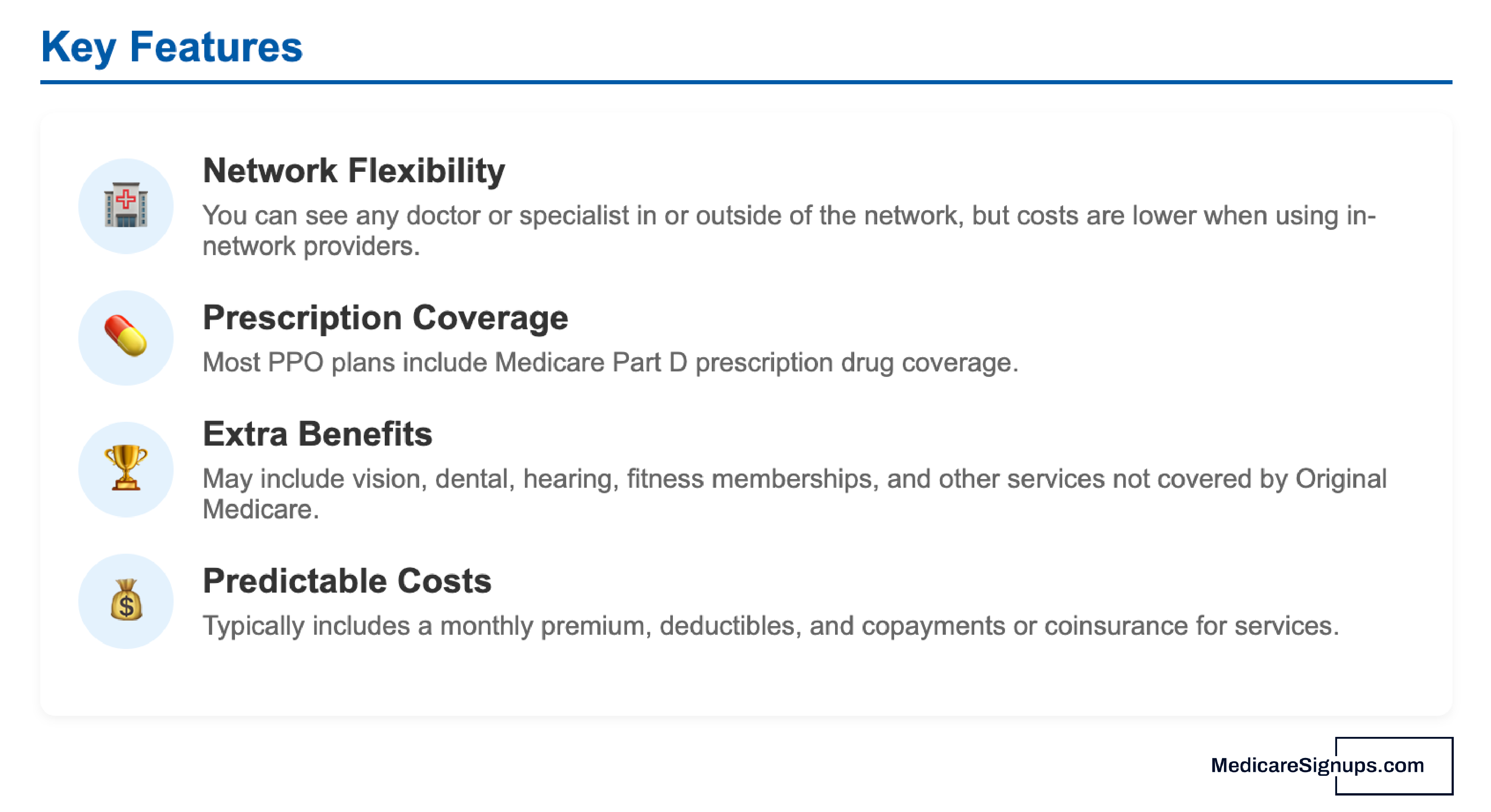
Medicare Advantage PPO plans, also called Medicare PPOs, offer seniors the flexibility to receive medical care from a wider range of healthcare providers, both within and outside of the plan's network. Enrollees receive an in-network rate for copays, coinsurance, and other costs for services received within the network, but may incur higher costs for services received outside of the network.
Each Medicare PPO plan has a set out-of-pocket maximum, which caps the amount a senior must pay out of pocket for healthcare costs in a given calendar year. Once the out-of-pocket maximum is reached, the plan covers 100% of healthcare costs.
That added flexibility comes with a tradeoff. "If you want flexibility, that would probably be a PPO plan. You can see doctors in and out of network," says Doris Youngman, a licensed Medicare agent in Florida. "Freedom has a price, which means your copays and probably drug deductible will be higher than in an HMO."
In a Medicare PPO plan, there is often no need for a referral from a primary care doctor to see a specialist. Many, but not all, PPO plans include prescription drug coverage (though standalone enrollees should compare the best Part D plans separately), as well as additional benefits such as vision and dental coverage. Check the plan details to confirm drug coverage before enrolling. This referral-free access to specialists can be particularly valuable for seniors managing ongoing conditions like heart disease, where coordinating care across multiple providers is common.
Not every Medicare Advantage plan fits neatly into the HMO or PPO bucket. "An HMO-POS Medicare Advantage plan is an HMO that adds a limited point-of-service option to use certain out-of-network providers at a higher cost. It sits in between a straight HMO and a PPO in terms of flexibility and cost," explains Edward Smith, a licensed Medicare agent in Ohio. If you find a PPO too pricey but an HMO too restrictive, an HMO-POS plan can be worth a look.
Costs, out-of-pocket maximums, and the specific PPO plans available in your area can vary between insurance companies and service areas, so always check what's offered where you live.
What Is a Medicare Advantage PPO Plan?
PPO stands for Preferred Provider Organization and is a type of Medicare Advantage plan (also known as Medicare Part C) offered to seniors enrolled in Medicare. This type of plan provides greater flexibility, as enrollees can use healthcare providers both in and outside of their plan's network. For the government's official definition, see Medicare.gov's PPO overview.
Enrollees who use healthcare providers within their plan's network typically pay less than they would for services received outside of the network. However, both options are available to seniors enrolled in a Medicare PPO plan. The plan also covers enrollees during visits to urgent care or in the case of an emergency.
Can You Have a PPO with Medicare?
Yes. If you're enrolled in Original Medicare (Part A and Part B), you can enroll in a Medicare Advantage PPO plan in place of Original Medicare, as long as a PPO plan is available in your area. You cannot combine a Medicare Advantage PPO with a Medicare Supplement plan — you pick one route or the other.
Who Can Enroll in a Medicare PPO Plan?
residents who are enrolled in Original Medicare (Part A and Part B) can enroll in a Medicare PPO plan. If you are enrolling for the first time, you can do so during your Initial Enrollment Period, without having to answer any health questions.
If you are already enrolled in Medicare and would like to switch to a Medicare PPO plan, you can do so during the Annual Enrollment Period, which occurs from October 15 to December 7.
If you miss these enrollment periods, you may still be able to switch to a Medicare PPO plan if you experience a qualifying life event, such as moving, losing coverage, or changes to your Medicare coverage. This would qualify you for a Special Enrollment Period.
Medicare Advantage PPO vs. Original Medicare
Generally, seniors can choose between Original Medicare or a Medicare Advantage PPO plan. While both plans provide coverage for the same types of services, they are administered differently. Original Medicare is run by the government, while Medicare Advantage PPO plans are sold by private insurance companies.
Agents emphasize that the freedom to see out-of-network providers comes with real costs. "PPO plans have higher copays, and if you do go out of network, you will pay a higher rate," says Kim Mitchell-Hargis, a licensed Medicare agent in Tennessee. "That is the benefit of having a PPO: you do have access to out of network. With an HMO you cannot go out of network." Before scheduling with an out-of-network specialist, ask the plan what your share of the bill will be, since sticker shock is the most common PPO complaint agents hear.
This can result in differences in premiums and out-of-pocket costs for Medicare Advantage PPO plans. Original Medicare does not have provider networks, allowing seniors to see any healthcare provider who accepts Medicare assignments. On the other hand, Medicare Advantage PPO plans offer more flexibility, as seniors can see both in-network and out-of-network providers, though at a potentially higher cost. For those leaning toward Original Medicare with a supplement, comparing options like Plan N can reveal significant savings.
It is important to note that doctors can choose to enroll in Medicare without accepting Medicare assignments, which may result in balance billing or the full cost of services being paid out-of-pocket. In such cases, Original Medicare beneficiaries can opt for a Medicare Supplement plan to help cover out-of-pocket costs. If you go that route, understanding current Plan F pricing can help you budget appropriately. However, you cannot have both a Medicare Advantage PPO plan and a Medicare Supplement plan at the same time.
Is a Medicare PPO Plan the Same as a Medicare Advantage Plan?
The term "Medicare PPO plan" is often used interchangeably with "Medicare Advantage plan," but they aren't identical. Medicare Advantage (also called Medicare Part C) is the umbrella. PPO is one plan type under that umbrella. Other Medicare Advantage plan types include HMOs, MSAs, and SNPs. If you're weighing the differences, our breakdown of HMO vs PPO Medicare Advantage plans can help you decide which structure fits your needs.
Reasons for Choosing a Medicare PPO Plan
The primary reason seniors choose a PPO is flexibility: the freedom to see specialists without a referral and to use providers both in and out of the network. While copays and coinsurance tend to run higher than an HMO, every PPO plan comes with an out-of-pocket maximum that caps what you pay in a calendar year, which helps make catastrophic costs more predictable.
For frequent travelers, even a PPO can fall short. "If you are a snowbird or someone who travels, you absolutely need a Medicare Supplement Medigap Plan G or Plan N. The only way to have coverage regardless of where you are is to have a Supplement plan," says Nick Mangini, a licensed Medicare agent in Florida. PPOs cover emergencies anywhere, but routine care in another state can still trigger out-of-network costs, which is worth weighing if you split your year between two homes.
Another reason is access to additional benefits. Medicare Advantage plans like PPOs often come with extra perks such as dental, vision, and hearing coverage. They may also include wellness programs and gym memberships, which can help seniors maintain their health and well-being.
Even with a PPO, network geography matters. "Because most Medicare Advantage plans are HMOs or regional PPOs, you are generally locked into localized networks. If you need a certain specialist or travel frequently, you could face denied coverage or staggering out-of-pocket costs," says John Zentner, a licensed Medicare agent in California. Always check whether your preferred providers, and any specialists you may need, are in the PPO's network before enrolling.
In conclusion, someone might choose a Medicare PPO plan for its flexibility, predictable out-of-pocket maximum, and additional benefits. Before making a decision, it helps to clear up any common Medicare myths and misconceptions that could steer you in the wrong direction. It's important to weigh all your options and consider what's best for your individual healthcare needs.