Understanding Medicare Part A: Insurance Coverage for Hospital Related Services
Table of Contents
What Is Medicare Part A?
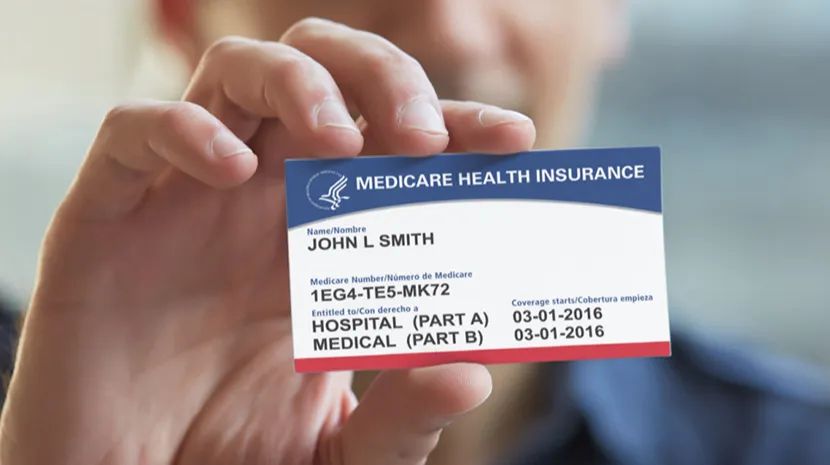
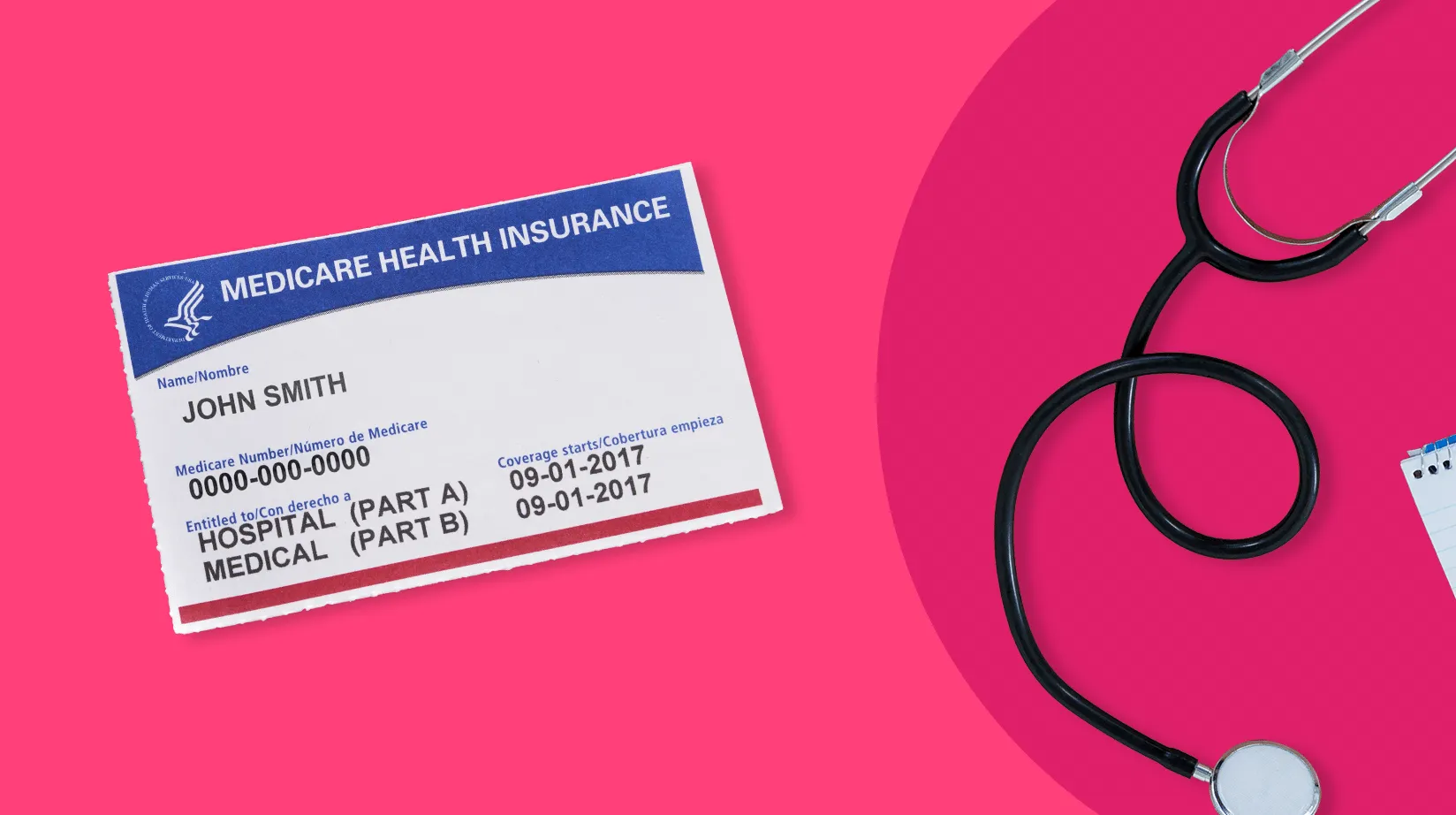
Medicare Part A is the portion of Original Medicare that covers inpatient hospital care, skilled nursing facility stays, hospice care, and some home health services. It’s often called Medicare hospital insurance because inpatient hospital coverage is its core benefit. Most people get Part A automatically and pay no monthly premium if they or their spouse paid Medicare taxes for at least 40 quarters (10 years) while working.
Who Is Eligible for Medicare Part A?
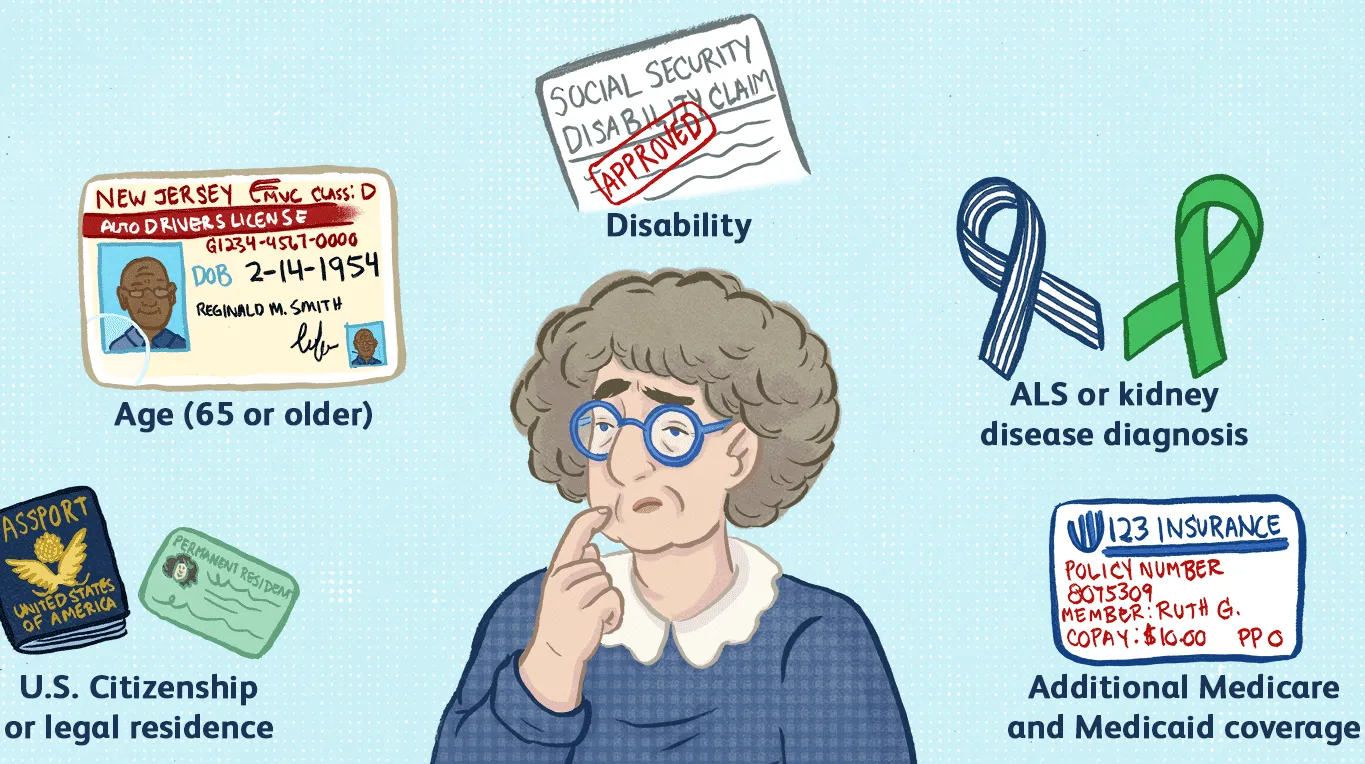
Eligibility for Medicare Part A is automatic for most people when they turn 65 and are already receiving Social Security or Railroad Retirement Board benefits. You may also qualify for Medicare before age 65 if you:
- Have received Social Security Disability Insurance (SSDI) for 24 months
- Have been diagnosed with End-Stage Renal Disease (ESRD)
- Have been diagnosed with Amyotrophic Lateral Sclerosis (ALS)
You must also be a U.S. citizen or a legal permanent resident who has lived in the United States for at least five consecutive years.
What Does Medicare Part A Cover?
Part A covers medically necessary inpatient care across several settings:
- Inpatient hospital care — semi-private room, meals, nursing services, medications, lab tests, and other supplies provided during your stay
- Skilled nursing facility (SNF) care — up to 100 days per benefit period following a qualifying hospital stay (custodial-only care is not covered)
- Home health services — intermittent skilled nursing care and therapy services when you’re homebound
- Hospice care — comfort care for terminally ill beneficiaries, including medication for symptom management
- Inpatient psychiatric care — up to 190 days lifetime in a psychiatric hospital
Inpatient vs. Observation Status: A Critical Distinction
One of the most common surprises beneficiaries run into is the difference between being admitted as an inpatient and being held under “observation status”. The hospital bed looks the same, but the billing — and your coverage — is dramatically different.
“Medicare Part A covers hospital stays only if you are formally admitted as an inpatient, not if you’re under ‘observation status,’ even if you stay overnight,” says Ann Sanfelippo, a licensed Medicare agent in Florida. “To know if your stay will be covered, ask the hospital staff whether you’re being admitted as an inpatient and for how many days.”
Observation stays are billed under Part B instead, which means a different cost structure and, importantly, time spent in observation does not count toward the qualifying hospital stay you need before Medicare will pay for skilled nursing care.
The 3-Midnight Rule for Skilled Nursing Coverage
If you’re going to need rehab or skilled nursing after a hospital stay, Original Medicare requires a specific qualifying stay first. “For Medicare to cover a stay in a Skilled Nursing Facility, you must first have a medically necessary inpatient hospital stay of at least three consecutive days — three midnights,” says Michael Kim, a licensed Medicare agent in Nevada. “It’s a long-standing requirement under Original Medicare.”
Without that qualifying three-day inpatient admission, Medicare will not pay for your SNF stay — even if your doctor agrees the care is necessary. Some Medicare Advantage plans have waived the 3-day requirement under CMS-approved contract flexibility, so check your specific plan’s rules; anyone on Original Medicare should confirm their inpatient admission status before they leave the hospital.
What Part A Does Not Cover
Medicare Part A does not cover:
- Private hospital rooms (unless medically necessary)
- Private-duty nursing
- Personal comfort items (phone, TV, toiletries)
- The first three pints of blood (unless donated to the hospital)
- Long-term custodial care (assisted living, most nursing home stays)
The long-term care gap is the one that catches most families off guard. “One of the biggest misunderstandings is that Medicare will pay for long-term or custodial care, like living in a nursing home or needing help with daily activities such as bathing, dressing, or eating,” says Chad Hardy, a licensed Medicare agent in Texas. “In reality, Medicare only covers skilled nursing care for a limited time after a hospital stay — days 1–20 in a skilled nursing facility are covered fully, but only after a qualifying inpatient stay.”
Do Hospitals Have to Accept Medicare?
Most U.S. hospitals participate in Medicare and are required to accept Medicare assignment for inpatient services covered by Part A. That means the hospital agrees to accept the Medicare-approved amount as full payment, and you’re only responsible for your deductible and coinsurance. Emergency rooms must treat anyone regardless of coverage, but for a non-emergency admission it’s worth confirming the hospital is a Medicare-participating provider before you’re admitted. A small number of specialty and boutique hospitals opt out entirely, and if you’re admitted to one of those, Part A won’t pay.
2026 Medicare Part A Costs
Understanding what you’ll pay is critical for planning your healthcare budget. For a detailed breakdown, see our guide to Medicare Part A costs, premiums, and deductibles in 2026. Here are the current 2026 Part A costs, published by CMS in the official Medicare.gov cost reference:
Monthly Premiums
Most beneficiaries pay $0 per month for Part A if they or their spouse paid Medicare taxes for 40+ quarters. If not:
- 30–39 quarters of Medicare tax payments: $311 per month
- Fewer than 30 quarters: $565 per month
Deductible and Coinsurance
Part A uses a benefit period structure rather than an annual deductible. Each time you’re admitted to the hospital, a new benefit period may begin (a benefit period ends when you’ve been out of the hospital or SNF for 60 consecutive days).
- Deductible: $1,736 per benefit period
- Days 1–60: $0 coinsurance (after deductible)
- Days 61–90: $434 per day coinsurance
- Days 91+: $868 per day using lifetime reserve days (you get 60 lifetime reserve days total)
- Skilled nursing facility days 21–100: $217 per day coinsurance
That benefit-period structure is one of the most misunderstood pieces of Original Medicare. “With Original Medicare, if you have to go into the hospital, your Part A has a $1,736 deductible per benefit period,” says Kelsey Hentzen, a licensed Medicare agent in Kansas. “With each hospital admission, if you go in again after 60 consecutive days outside a hospital or skilled nursing facility, you might pay it multiple times in a year for different hospital stays.”
Part A costs are just one piece of the total cost of Medicare in 2026, which also includes Part B premiums, drug plan costs, and supplemental coverage.
How to Enroll in Medicare Part A
If you’re already receiving Social Security benefits, you’ll be automatically enrolled in Part A when you turn 65. If you’re not receiving Social Security, you’ll need to actively enroll in Medicare during your Initial Enrollment Period — a seven-month window that starts three months before your 65th birthday month.
If you miss your Initial Enrollment Period, you can sign up during the General Enrollment Period (January 1 – March 31 each year), with coverage starting July 1. Late enrollment may result in premium penalties if you didn’t have qualifying coverage. Stay informed about upcoming changes to Medicare that may affect enrollment rules and costs.
How to Pay Your Part A Premium
If you do owe a monthly premium, Medicare offers four payment methods:
- Online — pay by credit or debit card through your Medicare account
- Direct bank payment — pay from your savings or checking account
- Medicare Easy Pay — free automatic monthly deduction from your bank account
- Mail — send a check to Medicare
Help Paying for Part A on a Fixed Income
If Part A premiums, deductibles, or coinsurance feel out of reach, you may qualify for a Medicare Savings Program through your state Medicaid office. “There are programs designed specifically to help people on a fixed income, called Medicare Savings Programs,” says Meghan Blankenship, a licensed Medicare agent in Florida. “QMB — the Qualified Medicare Beneficiary program — covers Part A and B premiums, deductibles, copays, and coinsurance. SLMB covers your Part B premium. It’s worth applying through your state Medicaid office to see what you qualify for.”
Protecting Yourself Beyond Part A
While Part A covers a significant portion of inpatient costs, the deductibles and coinsurance can add up fast — especially during extended hospital stays. Many beneficiaries pair Part A with a Medicare Supplement (Medigap) plan to help cover these out-of-pocket expenses. Others choose a Medicare Advantage plan that bundles Part A, Part B, and often Part D into a single plan with different cost-sharing rules.